

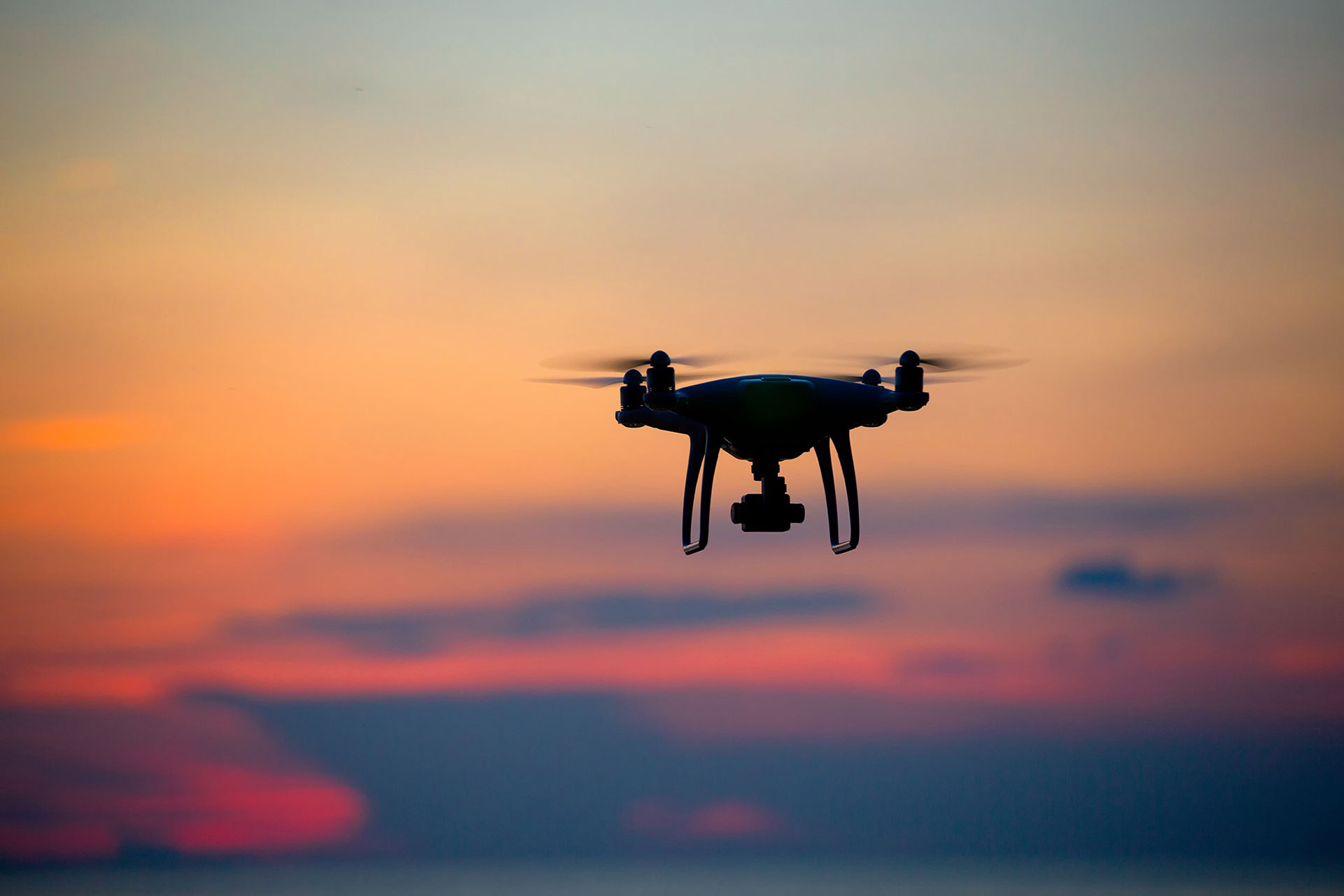
Drones, or Unmanned Aerial Vehicles (UAVs) as they are formally known, have expanded dramatically beyond surveillance, especially across the African continent. Both commercial and non-commercial purposes are becoming increasingly recognised across the continent, especially in medical supply delivery.
Kopano Tholo, drone expert at ITOO Special Risks, says that drones are proving to be an efficient method of providing logistical services and delivering supplies in remote rural areas where road infrastructure is poor.
Key Takeaways:
- Drones are proving to be an efficient method of delivering medical supplies to remote rural areas where road infrastructure is poor.
- Rwanda and Ghana were among the first African countries to use drones effectively during COVID-19 to deliver vaccines and medical samples to inaccessible areas.
- South Africa’s National Blood Service launched Project BloodWing in 2019 to deliver blood to remote areas of KwaZulu-Natal and the Eastern Cape.
- South Africa has not yet regulated drone delivery services, largely due to the absence of unmanned traffic management (UTM) control systems.
- South Africa remains the biggest drone market in Africa, with the small drone market expected to reach R2.4-billion by 2025.
- Drone insurance typically covers the physical drone, its components, and liability — but not the package being delivered.
- Drone operators must hold a Remotely Piloted Aviation Systems (RPAS) certificate and register their drone with the local civil aviation authority to qualify for insurance.
Which African Countries Are Leading Drone Medical Delivery?
“Drones became the turnkey solution for various problems, such as lack of resources and infrastructure, in several African countries, especially during the COVID-19 pandemic. Countries like Rwanda and Ghana used drones very effectively to deliver vaccines and medical samples to areas that were inaccessible by road,” he says.
The South African National Blood Service (SANBS) launched Project BloodWing in 2019, intending to deliver blood to people in remote areas of KwaZulu-Natal and the Eastern Cape. Other countries adopted this approach: Rwanda became the first African country to regulate the use of UAVs for pharmaceutical deliveries after the pandemic, followed by Ghana.
“In those countries, the use of drones now goes over and above just the delivery of vaccines and blood samples,” says Tholo. “Drones are now used as a just-in-time delivery service for any medical supplies which is needed to reach rural areas.
Read more about SANBS Project BloodWing and blood delivery innovation in South Africa

Why Has South Africa Not Yet Regulated Drone Delivery Services?
“Surprisingly enough, South Africa has still not regulated the use of drones for delivery services, but I believe that, with all the test cases that are being done with the South African Civil Aviation Authority and some of the service providers, we will eventually see a regulated service.”
Tholo says that safety concerns are at the heart of South Africa’s slow adoption of these regulations, as the country does not currently have any unmanned traffic management (UTM) control systems in place. Ultimately, UTMs would have to be established in locations where drones are being operated to safeguard those areas.
Learn more about drone regulations and the South African Civil Aviation Authority
How big is the drone market in South Africa and Africa?
Despite the lack of drone delivery service regulations in South Africa, the country remains the biggest drone market in Africa. Drones are currently employed in the energy and mining industries, as well as sectors like security and agriculture.
Research firm Industry ARC reveals that South Africa’s small drone market is experiencing rapid growth and is expected to reach R2.4-billion by 2025, growing at a compound annual growth rate of 22.35% from 2020 to 2025. According to Statista, revenue in the drone market in the rest of Africa will amount to R843-million in 2024, with a projected compound annual growth rate of 5.01% between 2024 and 2028.
Considering this robust rate of growth, the drone insurance market is also likely to see significant expansion as more drone operators enter the market, especially in the delivery and logistics space in the African region.
Learn more about drone insurance solutions for South African operators
What does drone insurance cover in South Africa?
“Insurers that offer drone insurance products will typically insure the physical drone and its components, but not the package that it is delivering. A drone insurance product will also typically cover the liability portion related to operating a drone, including any damage to property or injuries to people that might be caused by the drone.
“The regulations in all of these African countries require operators to have liability cover in place to be able to operate a drone for commercial purposes in their respective airspace, including South Africa.”
At the same time, to qualify for insurance, Tholo points out, drone operators must have a Remotely Piloted Aviation Systems (RPAS) certificate and the drone must be registered with the local civil aviation authority of the country in which it is being operated. Drone laws and regulations in South Africa are closely based on existing aviation law, but RPAS – or drones – are separated into commercial and hobby operations.
What are the biggest risks for drone operators in South Africa?
“Currently, one of the biggest risks that we see related to this industry is from a liability perspective in that many people do not understand the dangers of operating a drone without adequate liability limits. Similarly, there is also a risk in terms of people who operate drones without understanding the regulations and the laws that govern their operations. But I’m sure this will change as the market continues to mature.”
Read more about commercial drone insurance and liability cover for South African operators
This content provides guidance for South African drone operators, logistics professionals, and businesses exploring UAV technology and insurance requirements. For specific drone insurance advice tailored to your operations, consult qualified insurance professionals familiar with South African aviation regulations and market conditions. This article originally appeared on Gadget.
Frequently Asked Questions
Yes. The South African National Blood Service launched Project BloodWing in 2019 to deliver blood to remote areas of KwaZulu-Natal and the Eastern Cape. However, South Africa has not yet regulated drone delivery services more broadly.
Rwanda was the first African country to regulate UAVs for pharmaceutical deliveries after the COVID-19 pandemic, and Ghana followed. Both countries now use drones for just-in-time delivery of medical supplies in rural areas.
South Africa’s slow adoption is primarily due to safety concerns and the absence of unmanned traffic management (UTM) control systems. UTMs would need to be established in drone operating areas before regulated delivery services can be introduced.
Drone insurance typically covers the physical drone and its components, as well as liability for damage to property or injuries caused by the drone. It does not cover the package being delivered.
Operators must hold a Remotely Piloted Aviation Systems (RPAS) certificate and register their drone with the South African Civil Aviation Authority. Liability cover is required by regulation for commercial drone operations.